
 English
 Portugues


Топливостойкий резиновый лист
Fuel-Resistant Rubber Sheet: Properties, Applications, and Benefits Fuel-resistant rubber sheets are specialized elastomeric materials designed to withstand exposure to fuels, oils, and hydrocarbons while maintaining their structural integrity and performance. These sheets are widely used in industries where contact with aggressive fluids is common, such as automotive, aerospace, marine, and industrial manufacturing. Key Properties Fuel-resistant rubber sheets are engineered to exhibit the following characteristics: 1. Chemical Resistance: They resist swelling, degradation, and softening when exposed to gasoline, diesel, jet fuel, hydraulic fluids, and lubricants. Common base materials include nitrile rubber (NBR), fluorocarbon rubber (FKM), and hydrogenated nitrile rubber (HNBR), which offer excellent fuel compatibility. 2. Temperature Stability: These sheets maintain flexibility and strength across a broad temperature range, typically from -40°C to +150°C, depending on the formulation. 3. Mechanical Durability: High tensile strength, tear resistance, and abrasion resistance ensure long service life in demanding environments. 4. Low Permeability: The material minimizes fuel permeation, preventing leaks and seepage in gaskets, seals, and linings. Applications Fuel-resistant rubber sheets are utilized in various critical applications: - Automotive & Aerospace: Gaskets, O-rings, fuel hoses, and tank linings that require resistance to gasoline, aviation fuel, and hydraulic oils. - Marine: Seals and gaskets in fuel storage systems, pumps, and engine compartments exposed to diesel and marine fuels. - Industrial Equipment: Liners, diaphragms, and protective barriers in fuel handling systems, refineries, and chemical processing plants. - Oil & Gas: Sealing components for pipelines, valves, and drilling equipment that encounter hydrocarbon-based fluids. Advantages - Extended Service Life: Reduces frequent replacements due to degradation. - Safety & Reliability: Prevents fuel leaks, enhancing operational safety. - Cost-Effectiveness: Minimizes downtime and maintenance costs. - Customizability: Available in different thicknesses, hardness levels, and reinforcement options (fabric or metal inserts). Selection Considerations When choosing a fuel-resistant rubber sheet, factors include: - Fuel Type: Compatibility with specific hydrocarbons (e.g., ethanol-blended fuels may require specialized formulations). - Operating Conditions: Temperature, pressure, and mechanical stress. - Regulatory Compliance: Certifications like ASTM, MIL-SPEC, or REACH may be necessary for certain industries. Conclusion Fuel-resistant rubber sheets are essential for applications demanding reliable performance in fuel-exposed environments. Their superior chemical and mechanical properties ensure durability, safety, and efficiency across multiple industries. Proper material selection based on operational requirements is crucial to maximize performance and longevity. (Word count: 500)
продукт
классификация:
-
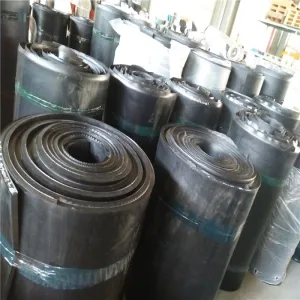
Маслостойкий лист фторкаучука
Их классификация: Лист фторкаучукамнения: 24номер:Время выпуска: 2025-12-17 15:00:48Листы фторкаучука обладают превосходными характеристиками устойчивости к старению, устойчивости к высоким температурам, стойкости к озону, маслостойкости, стойкости к высокому вакууму, стойкости к кислотам и щелочам, а также к различным химическим веществам.
новости
классификация:
Нет результатов поиска!
случай
классификация:
Нет результатов поиска!
видео
классификация:
Нет результатов поиска!
скачать
классификация:
Нет результатов поиска!
вербовка
классификация:
Нет результатов поиска!
Рекомендуемые продукты
Нет результатов поиска!



 WhatsApp
 телефон