
 English
 Portugues


Термостойкий силикон
Heat Resistant Silicone: Properties, Applications, and Benefits Heat resistant silicone is a versatile synthetic polymer widely used in industries requiring materials that can withstand extreme temperatures while maintaining flexibility, durability, and chemical stability. This specialized silicone exhibits exceptional thermal stability, typically enduring temperatures ranging from -60°C to over 300°C (-76°F to 572°F), depending on the formulation. Its unique properties make it indispensable in high-temperature environments where conventional materials fail. Key Properties 1. Thermal Stability: Heat resistant silicone retains its physical and mechanical properties even under prolonged exposure to high temperatures. It resists degradation, hardening, or cracking, ensuring long-term performance. 2. Flexibility and Elasticity: Unlike many high-temperature materials that become brittle, silicone remains flexible, making it ideal for dynamic applications like gaskets and seals. 3. Chemical Resistance: It resists oxidation, UV radiation, and many chemicals, including oils, acids, and solvents, enhancing its durability in harsh conditions. 4. Electrical Insulation: Silicone’s dielectric properties make it valuable in electrical and electronic applications where heat resistance is critical. 5. Non-Toxicity and Safety: Many grades are FDA-compliant and suitable for food-grade or medical applications, such as baking molds or medical device components. Applications Heat resistant silicone is used across diverse industries: - Automotive: Gaskets, hoses, and engine components that endure high heat and friction. - Aerospace: Seals and insulation for aircraft engines and spacecraft. - Electronics: Encapsulation of circuits, LED lighting, and thermal management solutions. - Industrial: Molds for casting metals or plastics, conveyor belts, and high-temperature seals. - Household and Culinary: Bakeware, oven mitts, and kitchen utensils. - Medical: Sterilizable equipment, tubing, and prosthetics. Advantages Over Other Materials Compared to organic rubbers or plastics, heat resistant silicone offers superior longevity under thermal stress. It outperforms materials like PTFE (Teflon) in flexibility and is easier to mold than ceramics. Additionally, silicone’s hydrophobic nature prevents moisture absorption, reducing the risk of corrosion in metal components it contacts. Conclusion Heat resistant silicone is a critical material for modern engineering, combining thermal resilience with versatility. Its ability to perform under extreme conditions while maintaining safety and functionality makes it a preferred choice in industries ranging from manufacturing to healthcare. Continuous advancements in silicone technology further expand its applications, ensuring its relevance in future innovations.
продукт
классификация:
-
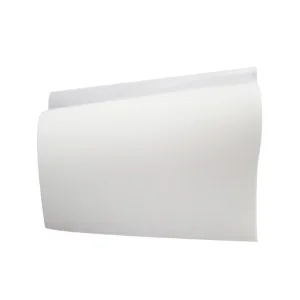
Устойчивый к высоким температурам силиконовый лист
Их классификация: Силикагель пластинамнения: 24номер:Время выпуска: 2025-12-17 15:32:36Устойчивый к высоким температурам силиконовый лист — это гибкий и прочный материал из силиконовой резины, который выдерживает температуру от -60°C до 250°C (от -76°F до 482°F) или выше, в зависимости от рецептуры. Силиконовые листы обычно используются в качестве прокладок, уплотнений, изоляционных материалов и защитных покрытий в условиях высоких температур. Они спроектированы так, чтобы сохранять свою форму и характеристики даже при воздействии сильной жары, химикатов и физических нагрузок.
новости
классификация:
Нет результатов поиска!
случай
классификация:
Нет результатов поиска!
видео
классификация:
Нет результатов поиска!
скачать
классификация:
Нет результатов поиска!
вербовка
классификация:
Нет результатов поиска!
Рекомендуемые продукты
Нет результатов поиска!



 WhatsApp
 телефон